Why Children Have Meltdowns and What to Do Instead of Punishment
Tara Folmer BCBA

Meltdowns can feel overwhelming for both children and parents. One minute, everything is fine, and the next, your child is crying, yelling, or completely shutting down
.
It’s easy to think:
“They’re being defiant.”
“They need consequences.”
But the truth is… meltdowns are not misbehavior. They are a signal.
What Is a Meltdown?
A meltdown happens when a child becomes so overwhelmed that they lose the ability to cope.
This can look like:
- Crying or screaming
- Dropping to the floor
- Refusing to move
- Hitting or throwing items
- Shutting down completely
At this point, your child is not choosing this behavior; they are struggling to regulate their body and emotions.
Why Do Children Have Meltdowns?
Meltdowns don’t come “out of nowhere.” There is always a reason, even if it’s not obvious in the moment.
1. Difficulty Communicating
Some children don’t yet have the skills to say:
- “I need help.”
- “This is too hard.”
- “I want a break.”
So instead, their behavior does the talking.
2. Transitions and Changes
Many children struggle when:
- Leaving a preferred activity
- Switching tasks
- Plans change unexpectedly
Even small transitions can feel like a big loss of control.
3. Sensory Overload
Environments that feel typical to us can be overwhelming to a child:
- Loud noises
- Bright lights
- Busy spaces
Their nervous system becomes overloaded.
4. Difficulty Waiting or Delayed Gratification
Waiting is a skill, and for some children, it’s a very hard one.
5. Fatigue, Hunger, or Illness
Sometimes the cause is simple:
- Tired
- Hungry
- Not feeling well
These are often called “setting events,” and they make meltdowns more likely.
Why Punishment Doesn’t Work:
When a child is in a meltdown, their brain is in survival mode.
They are not able to:
- Process consequences
- Learn from the situation
- “Think through” their behavior
Punishment in this moment often:
- Escalates the meltdown
- Damages trust
- Doesn’t teach the child what to do instead
What to Do Instead:
1. Stay Calm (Even When It’s Hard)
Your calm helps regulate your child.
Think of it as:
“I’m lending them my calm until they can find their own.”
2. Reduce Language
During a meltdown, less is more.
Instead of long explanations, try:
- “I’m here.”
- “You’re safe.”
- “Let’s take a break.”
3. Give Space (When Safe)
Some children need space to regulate.
Stay nearby, but don’t overwhelm them with demands or questions.
4. Support Regulation
Help their body calm down:
- Deep breaths (if they can tolerate it)
- Quiet space
- Comfort item
- Sitting together quietly
5. Teach Skills After the Meltdown
This is the most important part.
Once your child is calm, you can teach:
- How to ask for help
- How to request a break
- How to wait
- How to handle “no”
This is where real learning happens.
Rethinking Our Approach to Meltdowns:
The goal is to:
✔ Understand why they’re happening
✔ Teach replacement skills
✔ Reduce them over time
A Different Way to Look at Behavior:
Instead of asking:
“How do I stop this behavior?”
Try asking:
“What is my child trying to communicate?”
Key Takeaways:
Meltdowns are hard, but they are also opportunities.
They tell us:
- What skills a child is missing
- What support they need
- Where we can help them grow
And with the right strategies, meltdowns can become less frequent, less intense, and easier to manage.
Personalized in-home daily living assistance in West Windsor, NJ helps individuals with intellectual and developmental disabilities build independence in daily routines and self-care activities.
Parent training support in Lawrence Township, NJ empowers families with therapeutic strategies and techniques to reinforce skills at home and maintain consistency across environments for accelerated development.
Speech therapy in Trenton, NJ addresses articulation, expressive language, receptive understanding, and social communication challenges for individuals with developmental disabilities using evidence-based techniques.

A practical roadmap for Hamilton-area families navigating NJ DDD funding, ABA therapy, Speech Therapy, and Individual Support Services for children with developmental disabilities.
Learn how to navigate eligibility, referrals, and intake for ABA therapy in Hamilton, NJ — a practical pre-enrollment guide for families ready to act.
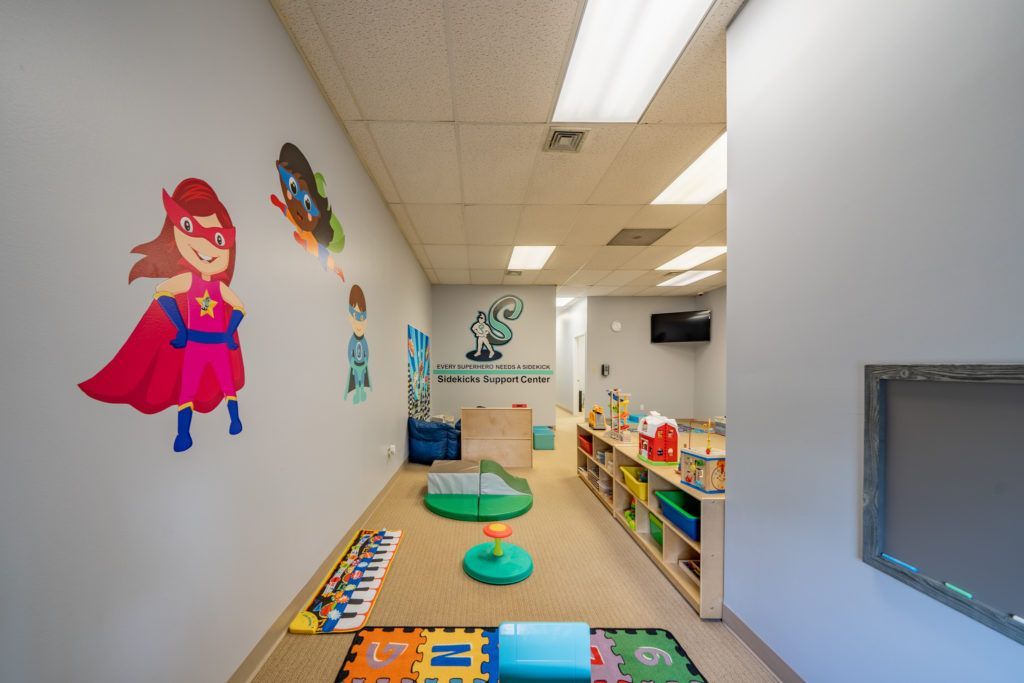
Applied Behavior Analysis in Hamilton, NJ helps children aged 2+ develop communication and social skills through evidence-based therapy supervised by BCBAs.

Speech therapy in Robbinsville, NJ addresses expressive language, receptive understanding, and social communication challenges for children with developmental disabilities.
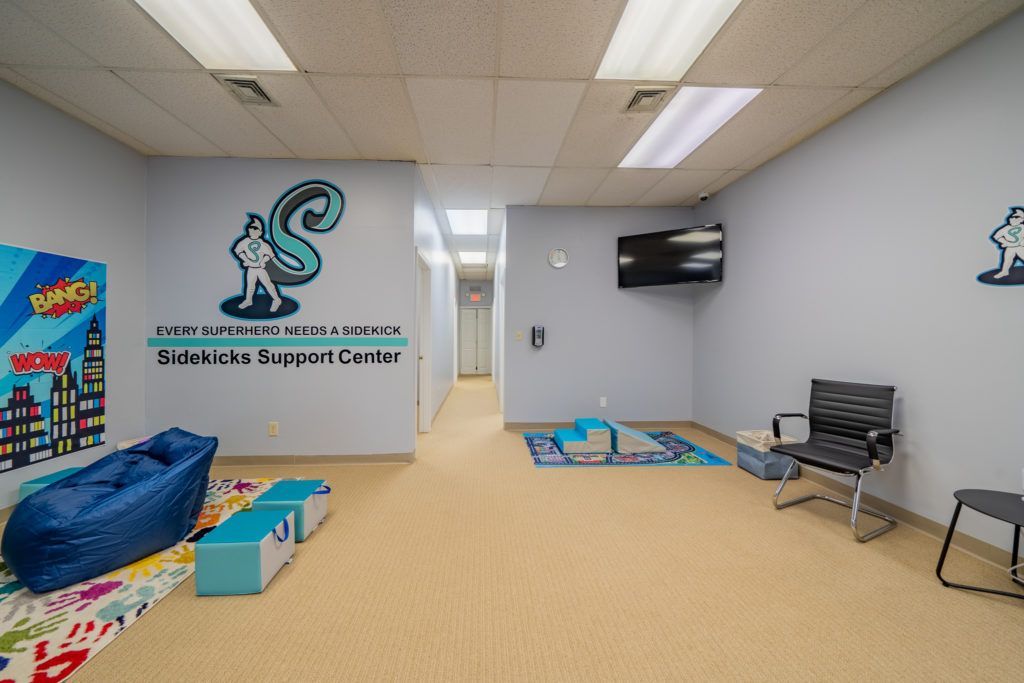
Individual support services in Princeton, NJ help individuals aged 4-21 develop daily living skills, personal care, and community navigation abilities through personalized guidance.
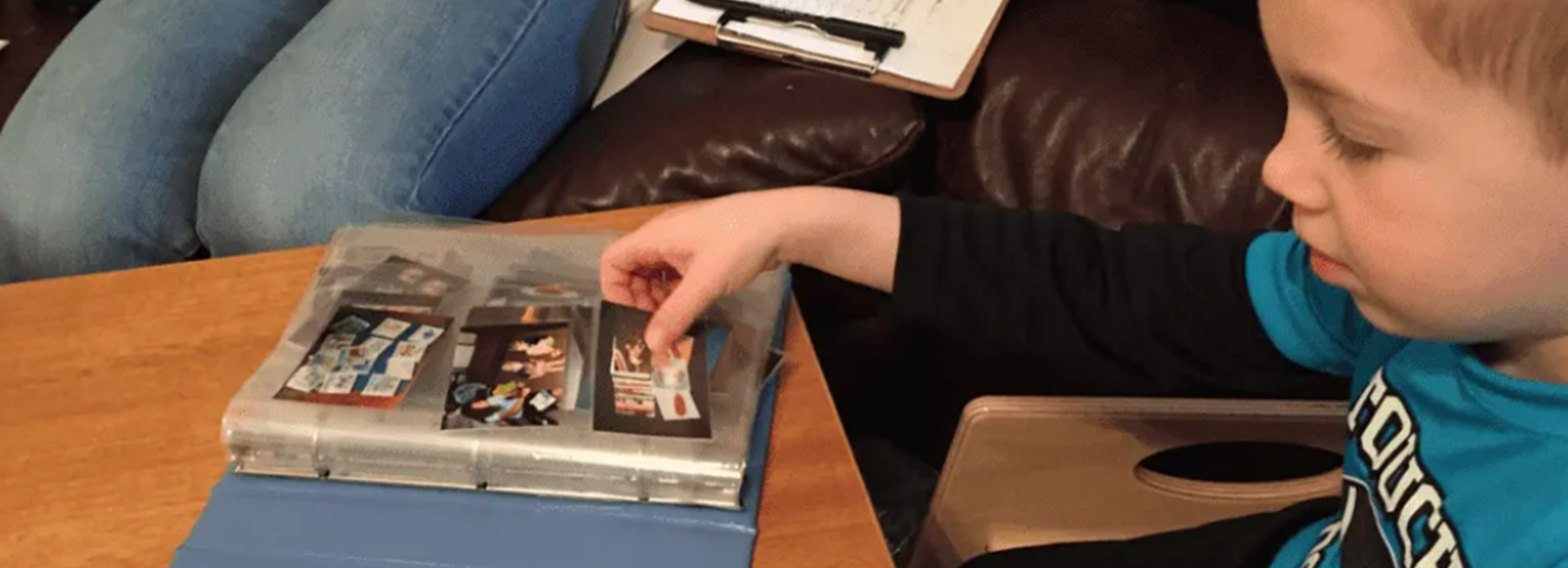
Community integration support in Trenton, NJ teaches individuals with developmental disabilities skills for navigating public spaces, social interactions, and accessing community resources throughout New Jersey
Daily living assistance in Lawrence, NJ supports adults with new diagnoses of intellectual and developmental disabilities, promoting independence through personalized in-home services.