
5 Questions to Ask your ABA Provider about Billing

Navigating the world of Applied Behavior Analysis (ABA) therapy can feel overwhelming, especially when you add the complexities of insurance and billing. For parents of newly diagnosed children and current families alike, one thing is clear: you deserve transparency.
The single most important thing you should know is that a trustworthy provider will be an open book about their financial practices. Your focus should be on your child's progress, not on decoding confusing invoices.
To help you find a partner who values clarity as much as you do, here are the five core questions you must ask any ABA provider before you begin services.
1. What is my out-of-pocket cost for ABA Therapy? Explaining the ‘Explanation of Benefits’ (EOB)
This is the most fundamental question. A vague answer here is a major red flag. You need a clear, written breakdown of your financial responsibility.
The provider should be able to give you a detailed estimate based on your specific insurance plan. They should explain the key components of your cost including any deductible, co-pay or co-insurance and out-of-pocket maximums.
A good provider will proactively send you the EOB and help you understand what it means.
2. What happens if my insurance provider changes once services start?
People change jobs and insurance plans. A prepared provider will have a clear, standardized process for this transition to minimize disruption to your child's therapy.
It is imperative that you notify your provider immediately of any insurance or plan changes. The provider should immediately re-verify your new benefits, including deductibles, co-pay, and authorization requirements.
Families should be aware that insurance co-pays, co-insurance, and deductibles are reset annually on January 1. As a result, increased out-of-pocket costs may apply.
3. What happens if my insurance provider denies claims?
Claim denials are common, especially in ABA therapy. The provider should have a dedicated billing department or specialist who handles claim denials and their process for correcting errors, peer-to peer review and formal appeals.
4. Am I responsible for missed or cancelled appointments?
The provider should have their cancellation policy in writing. It should specify the notification process, cancellation fees and exceptions.
5. How are service authorizations tracked by the agency?
Insurance companies authorize ABA therapy in specific blocks of time (e.g., a certain number of hours per month for six months). If the provider fails to track this accurately, your child's services could suddenly stop. The provider should use a system to track each client's authorizations start date, end date, and total authorized hours.
By asking these five questions, you force the provider to demonstrate their competence, transparency, and commitment to clear communication. Their answers will tell you everything you need to know about whether they are a partner you can trust.
Transparency in billing isn't just a nice to have; it's the foundation of a trusting partnership between your family and your ABA provider. At Sidekicks, we believe in transparent billing you can trust.
Personalized in-home daily living assistance in West Windsor, NJ helps individuals with intellectual and developmental disabilities build independence in daily routines and self-care activities.
Parent training support in Lawrence Township, NJ empowers families with therapeutic strategies and techniques to reinforce skills at home and maintain consistency across environments for accelerated development.
Speech therapy in Trenton, NJ addresses articulation, expressive language, receptive understanding, and social communication challenges for individuals with developmental disabilities using evidence-based techniques.

A practical roadmap for Hamilton-area families navigating NJ DDD funding, ABA therapy, Speech Therapy, and Individual Support Services for children with developmental disabilities.
Learn how to navigate eligibility, referrals, and intake for ABA therapy in Hamilton, NJ — a practical pre-enrollment guide for families ready to act.
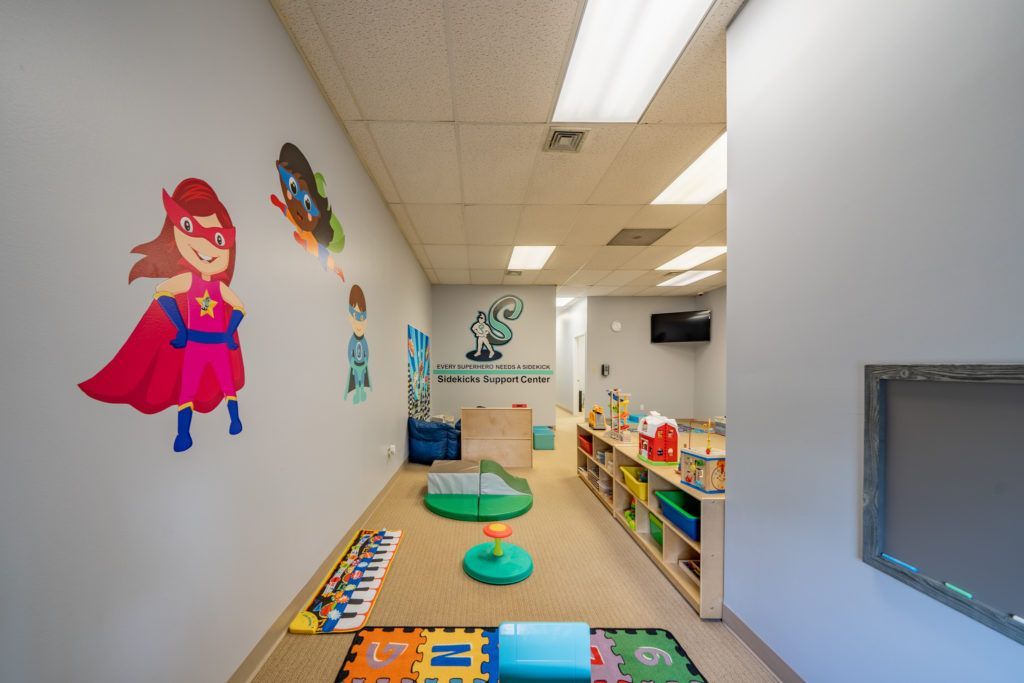
Applied Behavior Analysis in Hamilton, NJ helps children aged 2+ develop communication and social skills through evidence-based therapy supervised by BCBAs.

Speech therapy in Robbinsville, NJ addresses expressive language, receptive understanding, and social communication challenges for children with developmental disabilities.
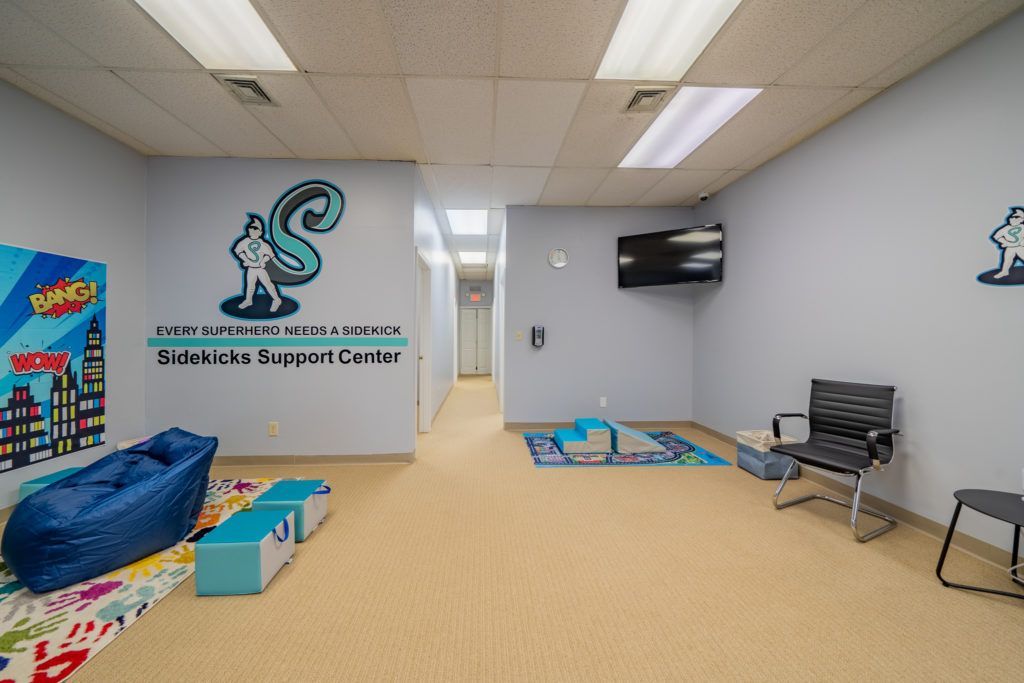
Individual support services in Princeton, NJ help individuals aged 4-21 develop daily living skills, personal care, and community navigation abilities through personalized guidance.

Community integration support in Trenton, NJ teaches individuals with developmental disabilities skills for navigating public spaces, social interactions, and accessing community resources throughout New Jersey
Daily living assistance in Lawrence, NJ supports adults with new diagnoses of intellectual and developmental disabilities, promoting independence through personalized in-home services.