Reducing Challenging Behaviors Through Communication Training in West Windsor, NJ
Sidekicks Support Services
Reducing Challenging Behaviors Through Communication Training in West Windsor, NJ
Functional Communication Training in West Windsor, NJ teaches children with autism and developmental disabilities effective communication strategies that reduce challenging behaviors and improve social interactions through evidence-based, individualized instruction.
How Does Functional Communication Training Work?
FCT identifies the reason behind challenging behaviors and teaches alternative communication methods that achieve the same outcome in a socially appropriate way.
Challenging behaviors like tantrums, aggression, or self-injury often occur because a child cannot effectively communicate needs, frustration, or discomfort. A behavior analyst observes patterns and determines what the child is trying to communicate through these actions.
Once the function is identified, therapists teach a replacement behavior such as using words, signs, picture cards, or speech-generating devices to express the same need. The child receives immediate positive reinforcement when using the new communication method, making it more effective than the problem behavior.
Over time, the challenging behavior decreases because the child learns a faster, easier way to get what they need. This process respects the child's intent while teaching skills that work in all environments.
Which Communication Methods Are Taught During FCT?
FCT uses verbal speech, sign language, picture exchange systems, or electronic communication devices depending on the child's abilities and preferences.
For children developing verbal skills, therapists model simple phrases like "help please" or "all done" and reinforce their use during natural routines. Repetition in varied contexts helps the child generalize the skill.
Sign language provides a bridge for children who struggle with verbal speech but can use their hands expressively. Signs for common requests like "more," "break," or "play" are taught first.
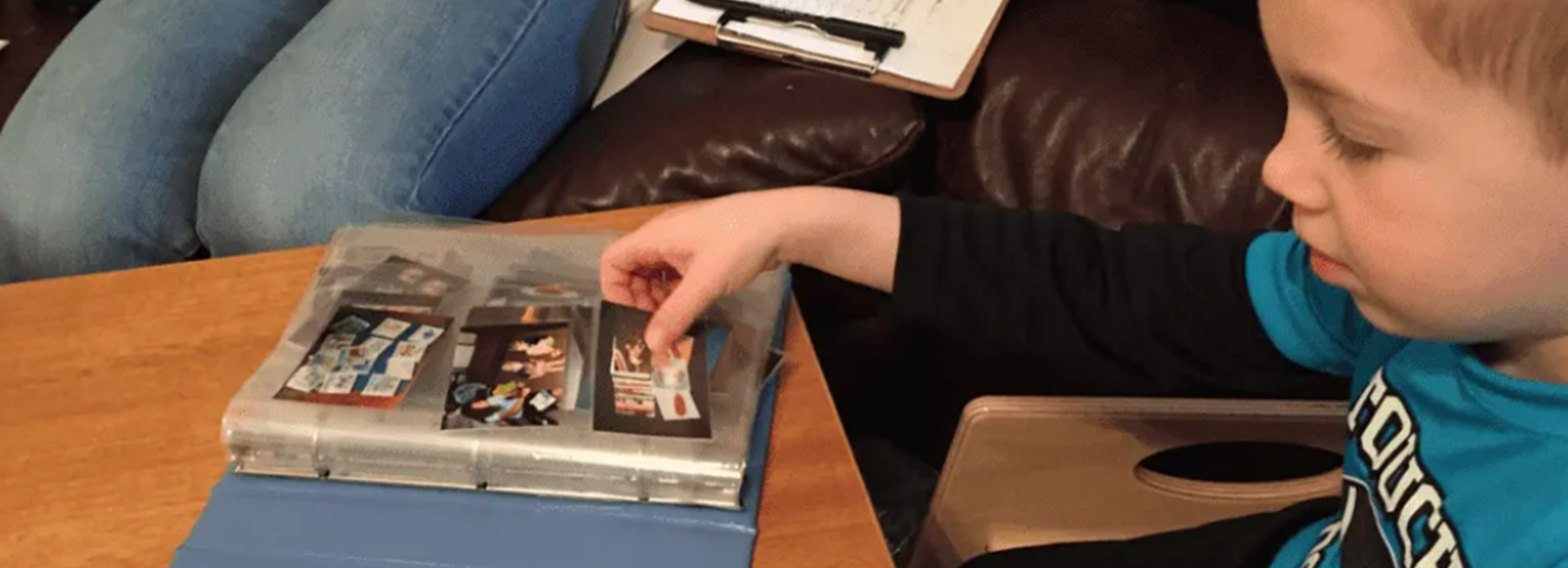
Picture exchange systems allow nonverbal children to hand a card representing their request to an adult, who immediately honors it. This method is portable and easy to use across settings.
Electronic devices with speech output offer another option, giving children access to hundreds of words and phrases through touchscreen selections. Therapists program these devices with vocabulary relevant to the child's daily life.
Do Parents Learn to Support Communication Strategies at Home?
Yes, parent involvement is critical for success, and families receive training to recognize communication attempts and reinforce new skills consistently in daily routines.
Therapists coach parents during sessions, demonstrating how to prompt communication and respond immediately to attempts. Families learn to create opportunities throughout the day for the child to practice new skills.
When everyone in the child's life uses the same communication method and reinforcement approach, progress accelerates. Parents often report reduced stress as challenging behaviors decrease and they understand their child's needs more clearly.
Coordination between Applied Behavior Analysis services in West Windsor and home routines ensures the child receives consistent support, which strengthens learning and prevents confusion about expectations.
How Do West Windsor's Family-Friendly Neighborhoods Support Communication Development?
West Windsor's parks, libraries, and community programs provide safe, structured environments where children can practice communication skills with peers and adults outside therapy sessions.
Public spaces with predictable routines, like storytime at the library or playground visits, offer natural opportunities to request activities, greet others, or ask for help. Support staff can accompany families to these settings during skill-building phases.
The community's emphasis on education and inclusion means children often encounter understanding adults who respond positively to alternative communication methods, reinforcing the child's efforts to communicate appropriately.
Sidekicks Support Services believes every child deserves a voice and the tools to express themselves effectively. Our specialists design Functional Communication Training programs that reduce frustration, build confidence, and create pathways to meaningful interactions with family and peers. Experience the difference by exploring speech therapy services in West Windsor and see how communication opens doors to connection and independence.