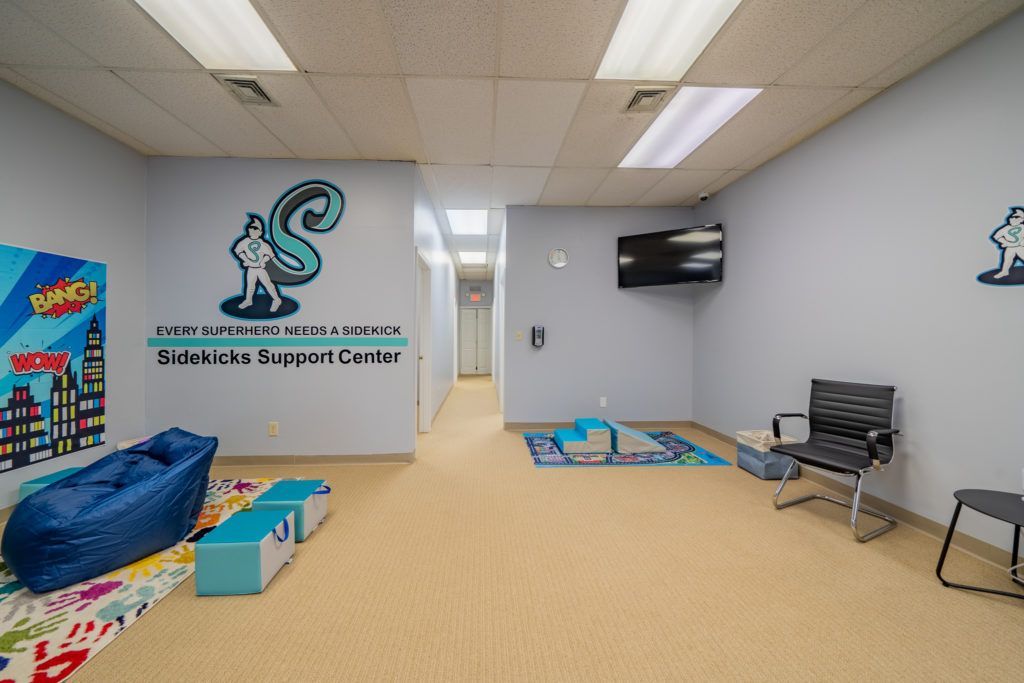
Health and Wellness for Individuals with Disabilities: Importance and Strategies
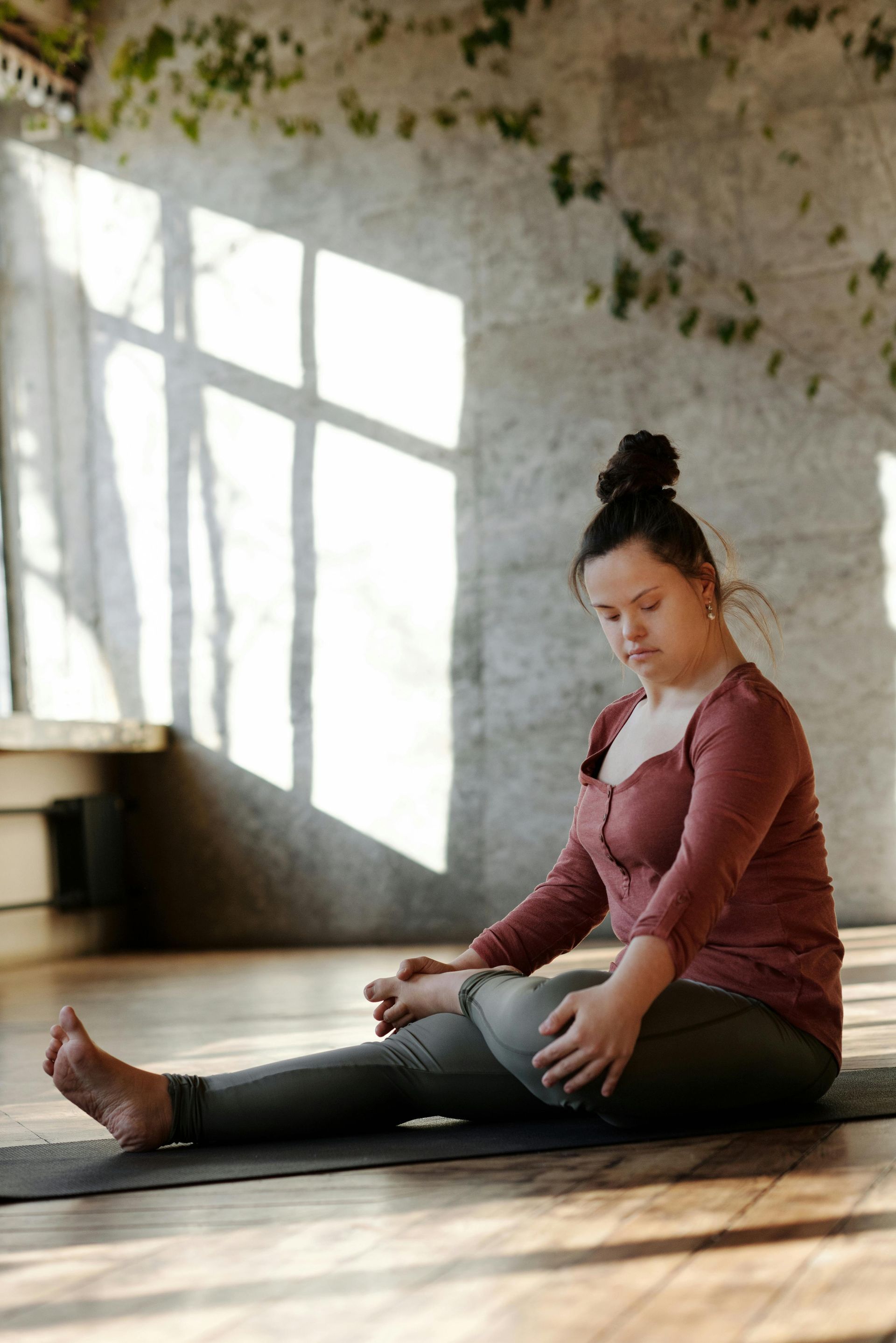
Health and Wellness for Individuals with Disabilities: Importance and Strategies
Ensuring health and wellness for individuals with disabilities is crucial for enhancing their overall quality of life and promoting long-term well-being. While it presents unique challenges, prioritizing physical and mental health can significantly improve both physical capabilities and emotional resilience. Here’s why it matters and how it can be achieved:
Importance of Health and Wellness
Health and wellness play pivotal roles in every person’s life, and individuals with disabilities are no exception. Maintaining good health not only improves physical strength and stamina but also enhances mental clarity and emotional stability. For those with disabilities, focusing on wellness can alleviate secondary health conditions, manage chronic ailments, and potentially reduce the impact of their disability on daily life. Moreover, promoting wellness fosters independence, self-esteem, and a sense of empowerment, enabling individuals to participate more actively in their communities.
Strategies for Achieving Health and Wellness
- Physical Activity and Exercise: Tailored physical activities can improve mobility, strength, and cardiovascular health. Whether through adapted sports, aquatic therapy, or personalized exercise routines, staying active contributes to overall fitness and reduces the risk of obesity and related health issues.
- Nutrition and Diet: A balanced diet rich in nutrients supports optimal health. Nutritionists can help create meal plans that address specific dietary needs, ensuring individuals receive essential vitamins and minerals. Proper nutrition supports immune function, digestion, and overall energy levels.
- Regular Health Screenings: Routine medical check-ups and screenings are essential for early detection of health concerns. Regular visits to healthcare providers allow for timely interventions and management of conditions such as diabetes, hypertension, and respiratory disorders.
- Mental Health Support: Managing mental well-being is integral to holistic health. Therapeutic interventions, counseling, and mindfulness practices can help individuals cope with stress, anxiety, or depression often associated with disabilities. Building resilience and promoting positive mental health fosters emotional stability and overall life satisfaction.
- Community Engagement and Support Networks: Social connections are vital for emotional health. Engaging in community activities, joining support groups, and fostering friendships provide opportunities for social interaction, emotional support, and a sense of belonging.
- Accessible Environments: Ensuring environments are accessible and inclusive promotes independence and safety. Accessible facilities, transportation options, and adaptive equipment enable individuals to engage in activities without barriers, enhancing their ability to lead active and fulfilling lives.
Conclusion
Prioritizing health and wellness for individuals with disabilities is not only beneficial but essential for their overall well-being. By implementing strategies tailored to their unique needs, individuals can achieve greater independence, resilience, and quality of life. Emphasizing physical activity, nutrition, regular health screenings, mental health support, community involvement, and accessible environments contributes to a holistic approach to wellness. Together, these efforts empower individuals with disabilities to thrive and live life to the fullest.